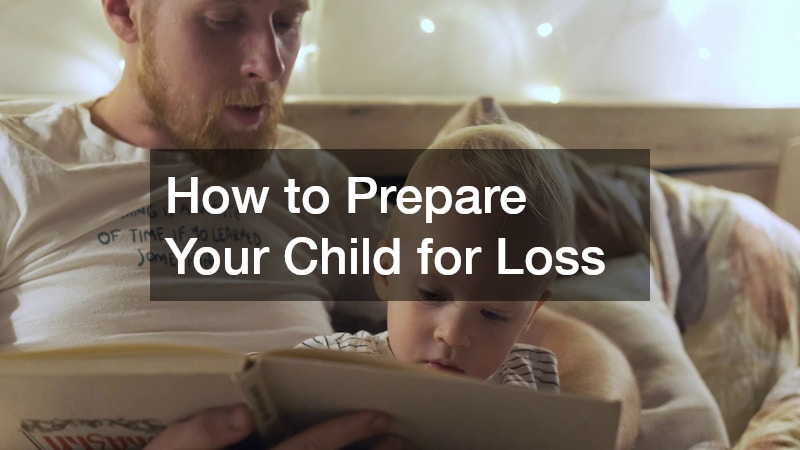
Preparing a child to understand the concept of death is one of the most profound and challenging responsibilities a parent or caregiver will ever undertake. In a culture that often shields young minds from uncomfortable realities, speaking openly about mortality can feel counterintuitive or even scary. However, death is a natural and inevitable part of the human experience. When children are gently exposed to the concept of passing away before they encounter a major traumatic loss, they build emotional resilience, healthy coping mechanisms, and a foundational understanding of the cycle of life.
By addressing mortality with honesty, clarity, and deep empathy, parents can transform a potentially frightening topic into a meaningful lesson about life, connection, and memory. Shielding children entirely from the reality of end-of-life concepts often backfires, leaving them unprepared, confused, or overly anxious when a loss inevitably occurs. Guiding your child through these conversations requires thoughtfulness, age-appropriate language, and an unwavering commitment to emotional support.
Establishing the Biological Reality of Life and Loss
Define Life and Death through Science and Nature
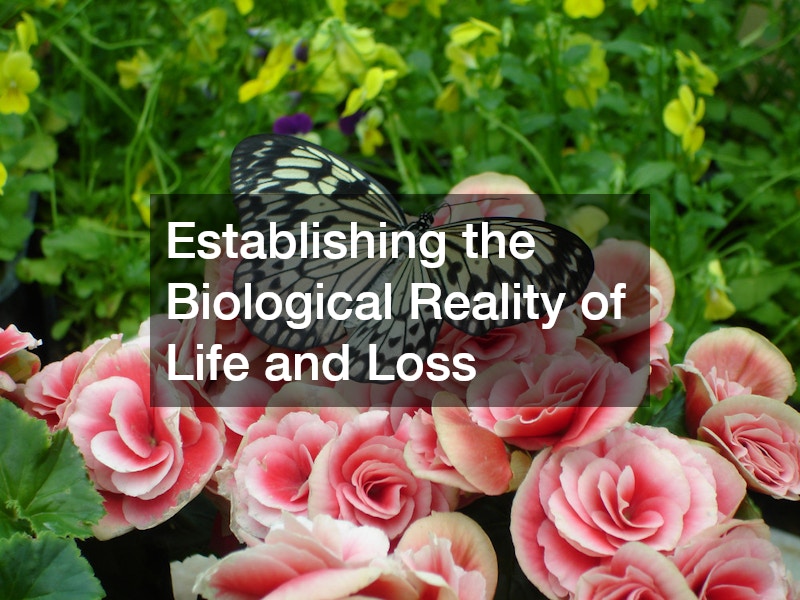
Children process the world through observation, making natural science an ideal entry point for discussing mortality. Explaining death as a physical process helps demystify it, removing the scary ambiguity that often fuels childhood fears. You can explain that all living things—plants, insects, animals, and people—have a beginning, a middle, and an end. When a living thing dies, its body stops working completely. It no longer breathes, eats, sleeps, or feels pain.
Using concrete examples from nature can ground this concept without triggering immediate personal distress. Point out fallen autumn leaves, a wilted flower in the garden, or a small insect that has completed its life cycle. Emphasize that once a body stops working, it cannot be fixed or restarted. This clear distinction between being sick or injured and being dead helps children understand the permanence of loss without fearing that every minor cold or injury will lead to demise.
Differentiate Natural Biological Ends from Temporary Absence
Young children often struggle with the permanence of death because their cognitive development makes it hard to distinguish between temporary separation and finality. They may assume that a deceased loved entity will eventually return, much like a parent coming back from a business trip. It is essential to explicitly state that death is forever and that the person or animal will not come back to life.
Avoid using confusing euphemisms such as passing away, going to sleep, or resting peacefully. For a child, hearing that someone went to sleep can spark severe bedtime anxiety and fear of never waking up. Similarly, saying someone was taken away can create intense separation anxiety toward remaining caregivers. Clear, gentle language grounded in biological truth provides the security of certainty, even if that certainty brings initial sadness.
Using Everyday Moments to Build Understanding
Leverage Community Spaces and Group Environments
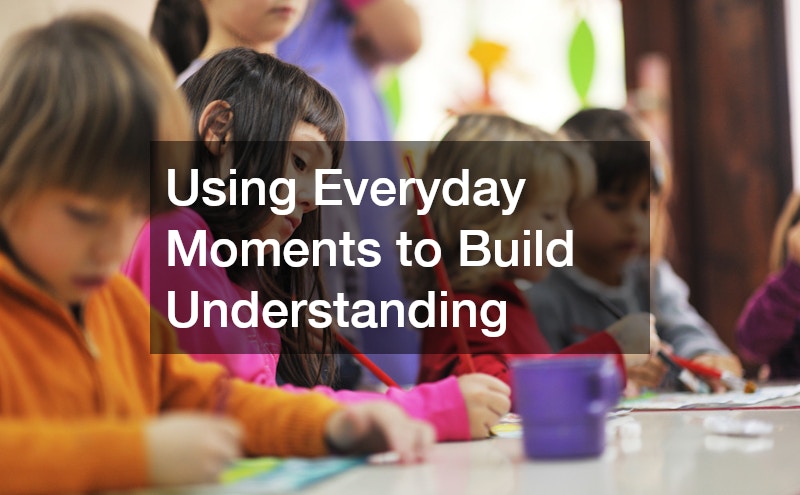
Daily routines and routine outings provide organic opportunities to observe and discuss life concepts. When young children interact in group settings, such as early learning centers, they encounter diverse stories, seasonal changes, and shared experiences that touch on growth and loss. A classroom pet passing away or a classmate losing a grandparent often serves as a child’s first encounter with grief.
Parents can use these social touchpoints to initiate gentle conversations at home. Ask your child what they noticed or felt when a community event occurred, validating their curiosity and emotional reactions. Sharing stories about how others handle sad news teaches children that feelings of loss are shared across families and communities, reinforcing that they are never alone in their feelings.
Utilize Early Educational Experiences and Storytelling
Structured group environments like preschools often incorporate books and guided discussions about nature, feelings, and family dynamics. Literature specifically designed for young minds offers an approachable lens through which to explore grief. Reading picture books about the death of a wild animal, a beloved tree, or a fictional character allows children to process difficult emotions from a safe distance.
When reading together, pause to ask open-ended questions about the story. Ask how the characters feel, what helped them feel better, and what memories they kept. This interactive storytelling approach normalizes grief as a natural emotional response and equips children with a vocabulary to express their own inner experiences when real-life losses occur.
Navigate the Loss of a Household or Community Animal
For many children, the death of a companion animal is their very first direct encounter with heartbreak. Whether it is a long-cherished dog or a sudden trip to a pet emergency clinic that ends in sad news, this experience serves as a critical foundation for how a child will process future losses. Treat the death of a pet with the same respect and validation you would give to any significant family loss.
Resist the temptation to immediately replace the animal or invent a fictional story about them running away to a farm. Honesty honors the child’s bond with their pet and validates their grief. Involve your child in simple memorial activities, such as drawing a picture, planting a flower, or sharing favorite stories about the pet, teaching them that honoring memories is an integral part of healing.
Choosing Clear and Compassionate Language

Eliminate Misleading Metaphors and Euphemisms
When adults feel uncomfortable with the topic of mortality, they often retreat into soft metaphors that confuse young children. Saying that someone was lost suggests they can be found, leading children to search endlessly or wonder why no one is looking for them. Explaining that a loved one went on a long journey leaves the child waiting for their return or feeling abandoned.
Direct, simple language is the kindest path forward. Use words like dead, died, and body with gentle warmth rather than hesitation.
-
Explain that dying means the body stopped working because it was very old or very sick.
-
Reassure the child that everyday illnesses like a cold, flu, or stomach bug do not cause death.
-
Confirm that death is never caused by bad thoughts, wishes, or behavior.
-
Clarify that the person cannot feel cold, hunger, or pain anymore.
Address Magical Thinking and Unspoken Guilt
Children are naturally egocentric in their developmental thinking, often believing that their thoughts, words, or actions directly cause external events. If a child had a tantrum or wished a relative would go away shortly before that person died, they may secretly believe their bad behavior caused the death. This hidden burden of guilt can cause profound emotional distress.
Caregivers must explicitly lift this weight by reassuring children that death is a physical reality, not a consequence of thoughts or feelings. Consistently emphasize that nothing the child said, thought, or did caused the loss, and nothing they can do can undo it. Repeating this reassurance helps dismantle damaging magical thinking and restores a feeling of internal safety.
Explaining End-of-Life Procedures and Rituals

Demystify Funeral Gatherings and Memorial Customs
Rituals play a crucial role in helping humans process grief, mark transitions, and find closure. However, formal gatherings can feel overwhelming or strange to a child who does not understand what is happening. Explaining what will occur at a funeral service before attending helps alleviate anxiety and prepares them for the sights, sounds, and emotions they will encounter.
Describe the setting beforehand, noting that people may be crying, talking softly, or sharing memories. Explain that a ceremony is a special time for family and friends to gather, say goodbye, and honor the life of the person who died. Give your child a clear role or choice in how they participate, whether that means sitting quietly with a trusted adult, drawing a card to place near the memorial, or stepping outside if the atmosphere becomes too heavy.
Discuss Restorative and Preparatory Care Transparently
Children are intensely observant and may ask detailed questions about what happens to a physical body after death. If a child inquires about how a body is prepared for a viewing or burial, answer with straightforward, calm facts. You can explain that special embalming services exist to preserve and prepare the body so that family members can view their loved one looking peaceful one final time during a farewell ceremony.
Explain that these procedures are performed with great care and respect by trained professionals. Reassure the child that the deceased person cannot feel any of these processes because their body no longer functions or feels sensations. Providing factual, non-scary answers prevents children from filling in the gaps with terrifying imagery created by their own imaginations.
Explain Alternative Resting Methods with Sensitivity
When families choose non-traditional or non-burial options, children need simple, clear explanations that eliminate fear. When discussing cremation services, describe the process as using intense heat to transform the physical body into fine, soft ashes. Emphasize that because the body is no longer alive, the person feels no pain, heat, or discomfort during this process.
You can explain that these ashes are then placed in an urn or scattered in a special, meaningful place, such as an ocean, a forest, or a garden. Connecting the return of the body to nature framing helps children view alternative resting methods as peaceful and respectful ways to honor someone’s life journey.
Supporting Emotional Expression and Processing
Validate the Full Spectrum of Grief Reactions
Grief in children rarely looks like a continuous wave of adult-like sadness. Instead, children tend to jump in and out of grief, moving from intense crying one minute to playing joyfully with toys the next. This behavior is completely normal and acts as a psychological defense mechanism, allowing young minds to digest heavy emotions in small, manageable doses.
Validate whatever emotion your child displays, whether it is sadness, anger, confusion, indifference, or playfulness. Avoid forcing them to show sadness or scolding them for playing during serious moments.
-
Acknowledge feelings directly by saying things like it is okay to feel sad, angry, or confused right now.
-
Permit them to continue playing, reassuring them that feeling happy or playing is entirely okay even when someone has died.
-
Encourage creative outlets such as drawing, building, or outdoor play to express complex internal states.
-
Maintain consistent daily routines to provide stability and security amid emotional changes.
Support Early Childhood Dynamics and Play Routines
Very young children often process complex events through repetitive play. A child enrolled in a toddler program might repeatedly play out scenarios where toy figures fall down, get sick, or stop moving. While this can look concerning to adults, dramatic play is a healthy, natural way for toddlers and young children to master difficult concepts and regain a sense of control.
Allow this constructive play to unfold without rushing in to stop or correct it. Observe silently or participate gently if invited, using the play as a window into your child’s understanding and emotional state. If the play reveals persistent fear or misconceptions, you can gently offer comforting truths through the narrative of the play itself.
Integrate Spiritual and Philosophical Values Mindfully
Many families rely on spiritual, religious, or philosophical beliefs to provide comfort and context during times of loss. If your family belongs to a faith community or your child attends a christian school, religious frameworks may form a central part of your discussions about what happens after death. Concepts of an afterlife, souls, or spiritual continuation can offer immense comfort when presented thoughtfully.
When sharing spiritual beliefs, ensure they compliment—rather than contradict—the biological facts of death. For instance, clarify that while a person’s spirit, soul, or memory lives on in heaven or in our hearts, their physical body has stopped working and remains dead on Earth. This distinction prevents confusion and ensures the child understands the physical reality of the loss while still receiving spiritual comfort.
Managing Family Dynamics and External Resources
Maintain Calm Communication During Household Stress
When a family experiences a significant loss, adult grief can create palpable tension, sadness, and disruption throughout the household. Children pick up on emotional shifts instantly, and silence or secrecy can lead them to worry that they did something wrong or that the family is falling apart. Open, age-appropriate communication protects children from feeling isolated during family crises.
If adult family members hold differing opinions on how to handle end-of-life decisions, inheritance, or grieving styles, handle those discussions away from young ears. Unresolved adult conflicts can deeply distress children who rely on parental harmony for their sense of security. Seeking professional support for family mediation can help adults navigate internal disputes constructively, ensuring the home environment remains a calm, safe sanctuary for grieving children.
Recognize When Professional Support is Beneficial
While most children process grief over time with the loving support of caregivers, some may experience prolonged distress, regression, or deep anxiety that interferes with daily life. Parents should remain attentive to persistent behavioral changes that signal a child is struggling to cope on their own.
Signs that a child may benefit from extra support include long-lasting sleep disruptions, intense separation anxiety, withdrawal from friends and play, persistent aggression, or a drop in school engagement. Utilizing specialized mental health services offers children a safe, tailored environment with professional guidance to work through complex feelings, learn coping strategies, and regain emotional equilibrium.
Cultivate Ongoing Conversations and Lasting Memories
Preparing your child for the concept of death is not a single, one-time conversation, but an ongoing dialogue that evolves as your child grows and matures. As their cognitive abilities develop, they will ask deeper, more complex questions about life, aging, legacy, and mortality. Welcome these questions with patience, honesty, and emotional warmth.
Focus on building positive, lasting ways to remember and honor those who have died. Create memory boxes, look through photo albums, plant memorial gardens, or continue special traditions that celebrate the person’s life. By teaching children that love and memories endure long after a physical body is gone, you equip them with lifelong courage, compassion, and resilience in the face of life’s inevitable changes.
Addressing the topic of mortality with your child is an act of deep love and preparation. By offering honest biological explanations, validating their emotional experiences, and demystifying end-of-life customs, you remove the shadow of fear from a natural process. Through patient dialogue, consistent routines, and shared memories, you help your child build a grounded, healthy understanding of death—allowing them to appreciate the beauty, preciousness, and joy of life even more deeply.