
Welcoming a new baby into your family is an incredible milestone filled with joy, anticipation, and a long list of preparations. Bringing a newborn home means your living space will quickly become the center of their entire world. Preparing your environment before your little one arrives ensures a smooth transition for the whole family, allowing you to focus on bonding, resting, and establishing daily routines. Creating a safe, clean, functional, and comforting home takes thoughtful planning, but breaking the process down room by room makes it manageable and even fun.
Planning the Sanctuary Space
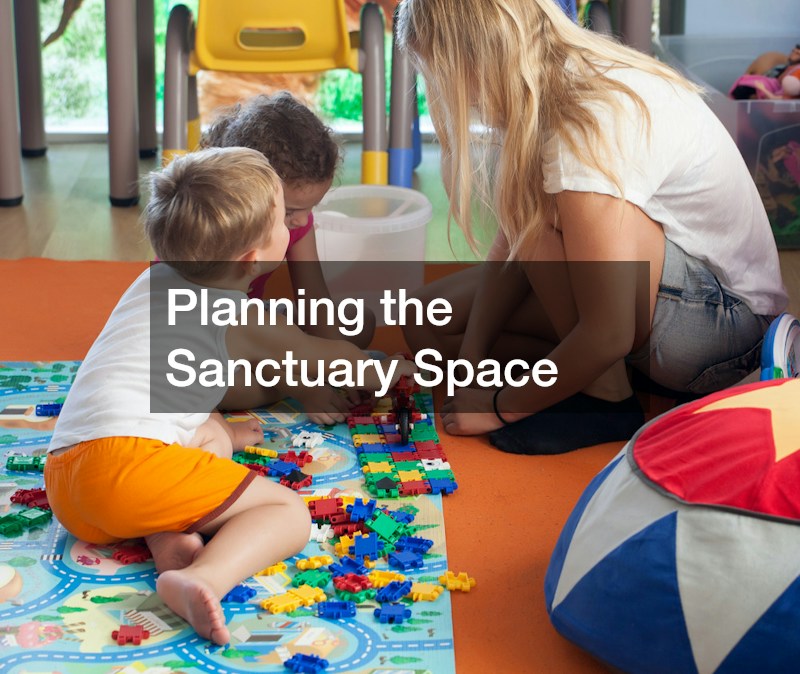
Selecting the Right Room Layout
Setting up a nursery begins with choosing a quiet space close to your primary bedroom to make nighttime care convenient. Arrange the furniture to allow a natural flow of movement, ensuring clear pathways between the doorway, the crib, and the changing station. Keep the crib situated away from windows, heaters, wall art, and hanging cords to protect your child from drafts and potential falling hazards.
Creating a Safe Sleep Zone
Safety is the absolute priority when setting up a sleeping area for a newborn. Choose a firm crib mattress that fits snugly into the frame without gaps, and cover it with a tight fitted sheet. Keep the crib completely free of soft items, including pillows, heavy blankets, crib bumpers, and stuffed toys, to maintain a safe sleep environment. Installing blackout curtains can also help regulate your baby sleep patterns by blocking out early morning light during naps.
Setting Up an Efficient Changing Hub
Diaper changes will happen frequently throughout the day and night, so organization is essential. Choose a sturdy changing table or a flat dresser fitted with a secure changing pad. Keep all your daily diapering items within arm reach so you never have to leave your baby unattended on an elevated surface. Utilizing storage bins, drawer dividers, and small hanging caddies keeps supplies organized and accessible during busy change times.
Revitalizing Main Living Areas

Deep Cleaning Soft Furnishings and Fabrics
Living rooms and shared family spaces host a high amount of daily activity and naturally collect dust, pet hair, and environmental allergens over time. Deep cleaning upholstered couches, floor rugs, and window coverings helps maintain clean indoor air quality for delicate newborn lungs. Scheduling a professional drapery cleaning service ensures heavy window fabrics are thoroughly sanitized without harsh lingering scents. Clean window treatments also allow natural sunlight to brighten your main living areas naturally.
Baby-Proofing Open Spaces and Sharp Corners
Long before your newborn begins crawling, taking early baby-proofing steps saves time and prevents accidents later. Secure heavy furniture pieces like bookshelves, entertainment centers, and storage units to wall studs using sturdy anti-tip straps. Place soft safety covers over sharp coffee table edges, cover all unused electrical outlets, and bundle electrical cords safely out of sight. Keep heavy objects and decorative items well back from lower table edges.
Setting Up Practical Feeding and Resting Stations
You will spend countless hours feeding, cuddling, and resting with your baby in your main living rooms. Create a comfortable station with a supportive armchair or glider, paired with a small side table for your personal items. Keep a nursing pillow, burp cloths, water bottles, and healthy snacks nearby to keep yourself comfortable during long feeding sessions. Having a small portable bassinet or secure play mat in the living area gives you a safe spot to lay your baby down when you need your hands free.
Modernizing and Child-Proofing the Kitchen
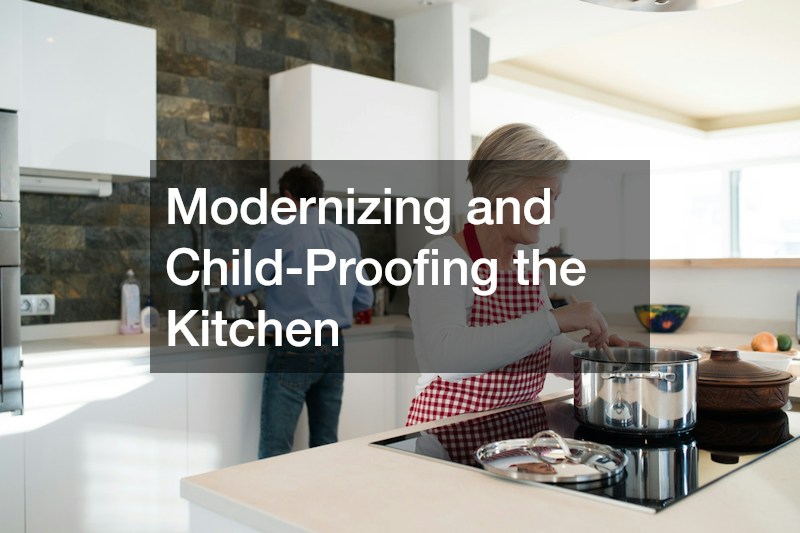
Organizing Food Prep and Feeding Zones
The kitchen quickly becomes a command center when you have a baby, requiring dedicated zones for preparing formula or managing nursing supplies. Clear off counter space to create a clean, dedicated area for bottle assembly, drying racks, and sterilizers. Reorganizing your lower kitchen cabinets allows you to move heavy pots, pans, and glass items up to higher shelves, leaving lower spaces open for light plastic containers or baby-safe dishware.
Securing Cabinets and Appliance Controls
Kitchen safety requires proactively locking away dangerous items before your baby grows curious. Install childproof latches on lower drawers and cabinets containing cleaning solutions, trash bins, sharp utensils, and heavy cookware. Place protective covers over stove knobs to prevent accidental turning, and ensure appliance cords are tucked securely behind counters so little hands cannot pull down heavy items like coffee makers or kettles.
Deep Cleaning Surfaces and Cooking Appliances
Newborns require a hygienic home environment, making a deep kitchen clean essential prior to their arrival. Sanitize food preparation countertops, clean out refrigerators, and clear oven grease using non-toxic, pet- and baby-safe cleaning solutions. Checking sink pipes for hidden leaks and using proper ventilation while cooking keeps your kitchen air fresh, clean, and safe for your growing household.
Maintaining Outdoor and Perimeter Safety
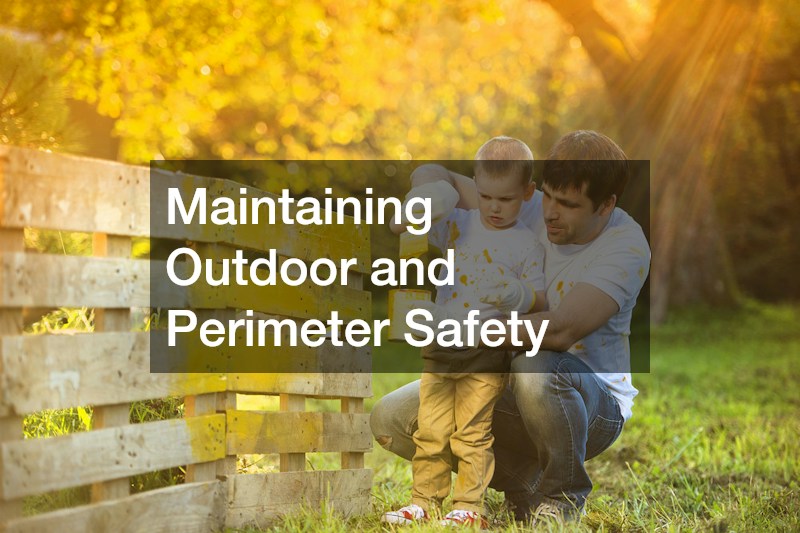
Securing the Property Border
Outdoor spaces offer fresh air and relaxation for growing families, but outdoor safety requires careful setup. Inspect your yard perimeter to ensure boundaries are completely enclosed and secure. Homeowners often consult local fence companies to inspect existing barriers, repair loose latches, or install durable fencing options. Having a fully secure boundary provides long-term peace of mind as your child matures and starts exploring outdoor play spaces.
Establishing Children-Friendly Backyard Zones
Transform your backyard into a safe retreat by removing low-hanging branches, clearing debris, and treating areas where harmful weeds or thorny plants grow. Check outdoor decks and patios for loose boards or protruding nails that could cause trips and scratches. Designating a flat, shaded grassy area gives you a pleasant outdoor spot to enjoy fresh air with your baby in a stroller or on a blanket during fine weather.
Installing Secure Barriers and Gates
Proper structural barriers prevent toddlers and pets from entering restricted areas of your property unattended. High-quality perimeter fences help keep unwanted pests or neighborhood animals out of your yard while maintaining a private space for family activities. Choosing self-closing and self-latching gates adds an extra layer of protection, ensuring outdoor entries remain locked automatically behind family members.
Upgrading Pool Areas and Water Hazards
Hiring Certified Water Care Experts
If your property features a swimming pool, outdoor spa, or water feature, managing water hygiene and physical safety is a top priority. Hiring experienced local pool contractors ensures your filtration systems, chemical balances, and safety covers meet strict health standards before bringing your newborn home. Regular maintenance keeps pool water clean, clear, and free from harmful bacteria or harsh chemical imbalances.
Implementing Strict Water Safety Protocols
Drowning hazards require immediate, uncompromising physical barriers around any body of water on your property. Install a dedicated pool isolation fence that measures at least four feet high, completely enclosing the pool area on all four sides. Ensure all access gates open outward away from the pool, feature self-closing hinges, and latch high out of reach of young children.
Managing Routine Pool Hygiene and Maintenance
Ongoing water upkeep prevents algae growth and maintains proper sanitation levels throughout the year. Scheduling routine pool cleaning services keeps skimmer baskets clear, filters operating efficiently, and water chemistry properly balanced. Storing all pool chemicals, cleaning poles, and maintenance tools inside a locked storage shed prevents any accidental exposure to curious children or household pets.
Preparing Bathrooms and Plumbing Systems
Child-Proofing Bathrooms and Storage Units
Bathrooms present multiple safety hazards, including wet surfaces, warm water, and chemical products. Install childproof locks on all medicine cabinets, vanity drawers, and lower storage areas to keep medications, razors, and cleaning chemicals completely inaccessible. Always keep toilet lids closed and secured with childproof latches to eliminate drowning risks for toddlers.
Regulating Tap Water Temperatures
Hot water burns happen quickly on delicate baby skin, making temperature control essential. Adjust your home water heater thermostat to a maximum setting of 120 degrees Fahrenheit (49 degrees Celsius) to prevent accidental scalding during bath time. Always test bath water temperature using your wrist, elbow, or a dedicated bath thermometer before placing your baby into the tub.
Stocking Bathing and Hygiene Essentials
Set up a safe, ergonomic bath station designed specifically for newborns. Use a contoured, slip-resistant baby bathtub placed securely inside a standard tub or on a sturdy counter surface. Stock gentle, unscented baby washes, soft cotton washcloths, hooded towels, and mild lotions nearby so you can keep one hand on your baby at all times during bath time.
Enhancing Heating, Fireplaces, and Fire Safety
Retrofitting Heating Fixtures for Safety
Fireplaces add warmth and comfort to family living rooms, but open flames and hot surfaces pose severe risks to young children. Installing modern fireplace inserts with protective glass doors and heat-resistant screen barriers prevents direct contact with hot components. Placing an extra safety gate around hearths keeps curious babies at a safe distance from warm surfaces during cold months.
Servicing Chimneys and Heating Systems
Before ignition during colder seasons, have your fireplace, chimney flue, and home heating systems professionally inspected and cleaned. Annual servicing removes soot buildup, creosote, and obstructions, reducing fire risks and preventing harmful gases from entering your living space. Ensuring proper ventilation maintains high indoor air quality throughout your home.
Installing Alarms and Emergency Gear
Comprehensive home safety requires functional emergency warning systems on every floor of your residence. Test all smoke detectors and carbon monoxide alarms monthly, replacing batteries promptly to ensure continuous protection. Place home fire extinguishers in accessible locations near the kitchen, garage, and furnace room, and make sure all adult family members know how to operate them correctly.
Structural Improvements and Painting Projects
Refreshing Walls with Safe Finishes
A fresh coat of paint brightens up nurseries and living areas, creating a clean, welcoming environment. When selecting colors and supplies, visit reputable paint stores that specialize in non-toxic, zero-VOC (volatile organic compound) paints. Zero-VOC formulas eliminate harsh chemical fumes and off-gassing, allowing you to paint nursery walls safely without compromising your home indoor air quality.
Hiring Professional Decorating Experts
Executing home improvement projects while managing pregnancy energy levels can feel overwhelming. Enlisting a skilled local painting contractor ensures wall preparation, patching, sanding, and painting are completed efficiently and professionally. Hiring experts saves you time and physical stress while ensuring smooth, durable wall finishes that resist scuffs and clean up easily.
Repairing Wall Surface Imperfections
Before applying new finishes, inspect nursery walls and baseboards for peeling paint, plaster cracks, or exposed hardware. If your home was constructed before 1978, test existing paint layers for lead hazards before starting any sanding or renovation work. Smooth, well-sealed wall surfaces provide a healthy environment that is easy to wipe down and maintain over years of family life.
Tackling Basement Moisture and Air Quality
Addressing Foundation Leaks and Dampness
Basements often house utility systems, laundry facilities, and storage space, but moisture problems can impact air quality throughout your entire house. Engaging a reliable basement waterproofing service helps identify hidden foundation cracks, ground moisture seepage, or sump pump vulnerabilities. Sealing your foundation prevents moisture intrusion, protecting your home structural integrity and keeping living spaces dry.
Eliminating Mold and Indoor Air Pollutants
Excess ambient humidity in lower levels creates an ideal breeding ground for toxic mold, mildew, and airborne dust mites. Installing high-capacity dehumidifiers in your basement helps maintain relative humidity levels below 50 percent, preventing fungal growth. Deep cleaning basement storage areas and sealing air ducts prevents mold spores and musty odors from circulating into upstairs baby rooms.
Optimizing Home Ventilation Systems
Clean, fresh indoor air supports optimal infant health and peaceful sleep. Replace air HVAC filters across your home heating and cooling units with high-efficiency particulate air (HEPA) filters to capture dust, pollen, and pet dander. Running portable air purifiers in the nursery and main living rooms adds extra protection, keeping your home environment fresh and clean year-round.
Organizing Housework and Daily Support Systems
Meal Prepping and Freezing Basics
The early weeks with a newborn are intense, leaving little time or energy for daily cooking. Prepare for this busy transition by cooking and freezing nutritious, easy-to-reheat batch meals before your due date. Stocking your freezer with simple casseroles, soups, and slow-cooker meals ensures your family stays well-nourished without spending precious time in the kitchen during those early post-baby weeks.
Establishing Simple Cleaning Routines
Maintaining a pristine home with a newborn can feel impossible if you try to do everything at once. Streamline your daily chores by focusing on small, high-impact tasks like keeping food prep areas clear, running essential laundry loads, and emptying trash pails daily. Lowering non-essential cleaning standards helps relieve unnecessary pressure, allowing you to prioritize rest and infant care.
Coordinating Family and Community Help
Accepting assistance from friends, family, and neighbors makes a tremendous difference when adjusting to newborn life. Create a clear list of helpful tasks visitors can handle, such as running local errands, walking the dog, holding the baby while you shower, or dropping off dinner. Establishing helpful support systems early on ensures your home remains a peaceful, comforting environment where your growing family can truly thrive.
Preparing your living environment for a new baby is a rewarding process that lays the foundation for a safe, comfortable, and restful transition into parenthood. By taking time to address safety hazards, organize daily living spaces, and clean your home thoroughly, you build a nurturing environment where your newborn can grow and flourish. Remember that perfection is not the goal; creating a practical, functional, and loving space is what matters most. With your home prepped and ready, you can relax, take a deep breath, and look forward to welcoming your little one home.