Home care services are designed to support individuals in their own homes, allowing them to live independently and comfortably. These services can include personal care, such as bathing and dressing, as well as assistance with daily living activities. One primary benefit of home care is its ability to offer personalized attention and tailor services to the unique needs of each individual.
Home care can address both short-term needs, such as recovering from surgery, and long-term care requirements, like managing chronic illnesses. This flexibility makes it an appealing option for many families seeking quality care for their loved ones.
For families considering home care, understanding the scope of services offered is crucial. Services range from physical assistance to medical management, depending on the client’s needs. Many providers employ a team of professionals, including nurses, therapists, and aides who work collaboratively to provide comprehensive care. Additionally, home care can include companionship services to reduce feelings of isolation often experienced by seniors. By offering varied services, home care helps maintain quality of life and promotes well-being for those in need.
Cost is another significant consideration when evaluating home care options. Home care services can be more affordable than residential care facilities due, in part, to the ability to customize services as needed. Many programs offer a pay-as-you-go structure, ensuring families only pay for the services their loved ones require. It’s essential for families to research potential funding sources, including insurance policies and government assistance programs, to alleviate financial burdens. By thoroughly exploring these options, families can make informed decisions about home care that fit within their budget.
Choosing the Right Home Care Provider
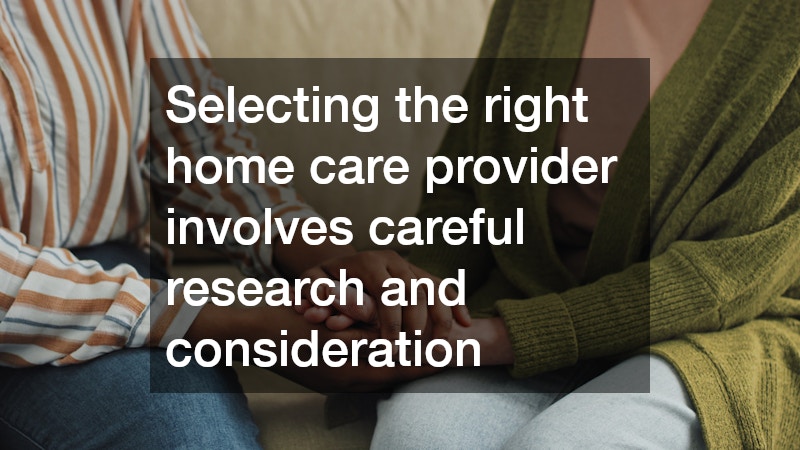
Selecting the right home care provider involves careful research and consideration. The first step is identifying providers in your area and assessing their reputation through testimonials and reviews. It’s advisable to seek recommendations from healthcare professionals, friends, or family members who have utilized home care services. Additionally, verifying the provider’s licensure and certifications can help ensure they adhere to industry standards. Gathering this information can provide peace of mind and confidence in the care provider you choose.
When evaluating potential providers, it’s essential to discuss the specific needs of your loved one and evaluate the provider’s ability to meet those needs. This entails assessing the range of services offered and the qualifications of their staff. Families should inquire about the training and certifications required of caregivers and whether background checks are conducted. Furthermore, visiting the provider’s facility or meeting with caregivers in person can provide further insight into their professionalism and ethos. Thoroughly vetting providers is crucial for ensuring quality care.
Communication is a vital component when working with home care providers. Establishing clear communication channels and setting expectations at the outset can prevent misunderstandings. Families should have regular check-ins with caregivers and management to discuss their loved one’s progress and any changing needs. A provider that demonstrates transparency and responsiveness fosters a trusting relationship, which is integral to the success of home care. By actively engaging with providers, families can ensure that their loved ones receive the highest quality of care.
The Emotional Aspect of Home Care
Home care doesn’t just address physical and health needs; it also considers the emotional well-being of clients. Emotional support is an integral part of home care, especially for older adults who may experience feelings of loneliness or depression. Caregivers can play a significant role in providing companionship and fostering a sense of connection. Through activities and conversation, caregivers engage with clients, helping to enrich their lives and maintain mental health. This emotional support is fundamental to the holistic approach offered by home care services.
Family dynamics can also be impacted by the decision to utilize home care. While some families might initially feel guilty about not providing care themselves, it’s essential to recognize that home care can offer a beneficial solution for everyone involved. Professional caregivers can alleviate the physical and emotional toll on family members, allowing them to focus on spending quality time with their loved ones. This division of responsibilities can strengthen family relationships and promote a supportive environment. It’s a decision that often brings relief and satisfaction to families seeking to balance care with their own commitments.
Additionally, families can experience peace of mind knowing that their loved ones are in capable hands. Experienced caregivers have the skills to address complex conditions, manage medications, and respond to emergencies. This expertise ensures that clients receive continuous, high-quality care, reducing anxiety for both the client and their family. Moreover, home care allows for a sense of normalcy and comfort, as clients remain in a familiar environment. This stability is a significant advantage for individuals receiving home care, contributing to their overall sense of security and well-being.