Moving for the first time is a milestone that often combines excitement with uncertainty. Whether you are leaving a childhood home, transitioning from a dorm or shared apartment, or relocating for work or personal reasons, the process introduces responsibilities many people have never managed before. Packing, planning, coordinating timelines, and understanding what services are necessary can feel overwhelming without a clear roadmap. That is why preparing early and understanding each stage of the process is essential.
For first-time movers, the most important step is learning how to break the experience into manageable phases. Moving is not a single task but a series of decisions that begin weeks or even months before the actual move-in date. From sorting belongings to budgeting expenses and planning logistics, thoughtful preparation helps prevent last-minute stress. Taking time to understand what to expect also makes it easier to adapt when plans shift, which they often do.
This guide is designed to walk you through the major stages of preparing to move for the first time. Each section focuses on a specific aspect of the process, helping you understand what to prioritize, how to stay organized, and where professional support can make a meaningful difference. With the right approach, your first move can feel structured, efficient, and far more manageable than you might expect.

Understanding the Full Scope of Preparing to Move
One of the most common mistakes first-time movers make is underestimating how many moving parts are involved. Preparing to move is not limited to packing boxes and loading a truck. It involves administrative tasks, emotional adjustments, financial planning, and logistical coordination that all require attention. Recognizing the full scope early allows you to create a realistic timeline instead of rushing through critical steps.
At the beginning of preparing to move, it is helpful to conduct a full inventory of your belongings. This means walking through each room and identifying what you plan to take, donate, sell, or discard. First-time movers often carry more items than they realize, including furniture, seasonal clothing, paperwork, and sentimental objects. Sorting early prevents unnecessary packing and reduces moving costs later.
Another important aspect is understanding how your move will impact your daily routine. Utility transfers, address changes, and scheduling time off work are often overlooked until the last minute. Preparing to move includes notifying employers, updating mailing addresses, transferring internet services, and ensuring essential utilities are active at your new home before arrival.
Emotionally, preparing to move for the first time can feel unsettling. Leaving familiar surroundings, neighbors, or routines may bring unexpected stress. Acknowledging this emotional component helps you pace yourself and avoid burnout. Planning breaks, asking for help, and maintaining routines during the transition can make the experience more balanced. Finally, preparing to move requires flexibility. Delays, weather conditions, or scheduling conflicts can occur. When you expect some level of unpredictability, you are better equipped to handle changes calmly. Understanding the scope of the process allows you to approach your first move with confidence rather than confusion.
Creating a Budget and Timeline That Actually Works
One of the most valuable tools for first-time movers is a realistic budget paired with a detailed timeline. Preparing to move without financial clarity often leads to unexpected expenses that can quickly add up. A budget helps you anticipate costs, while a timeline ensures that tasks are completed in a logical order rather than all at once.
Start by listing every potential expense associated with the move. This may include packing supplies, transportation costs, deposits, temporary lodging, and food during moving days. Many first-time movers forget to account for small but frequent expenses, such as replacing household items or purchasing cleaning supplies. Including these in your budget reduces surprises.
As part of preparing to move, you should also decide how much professional assistance you will need. Hiring a furniture mover for large or delicate items can protect your belongings and reduce physical strain. Similarly, working with a local moving service may offer flexibility with scheduling and familiarity with your area, which can be especially helpful if you are navigating narrow streets or apartment buildings.
Your timeline should begin several weeks before moving day. Assign specific tasks to each week, such as decluttering, packing nonessential items, and confirming logistics. Preparing to move gradually allows you to focus on quality rather than speed. Rushed packing often leads to damaged items or misplaced essentials. It is also important to build buffer time into your schedule. Unexpected delays, weather disruptions, or last-minute changes are common. A timeline that allows for adjustments reduces stress and keeps the process moving forward even when plans shift. When budgeting and scheduling are handled thoughtfully, preparing to move becomes far more manageable and financially predictable.

Deciding What to Keep, Store, or Let Go
One of the most transformative parts of preparing to move is deciding what belongings will make the journey with you. First-time movers often use this transition as an opportunity to reassess what they truly need. Moving fewer items can save money, reduce packing time, and make settling into your new space easier.
Begin by sorting items into clear categories: keep, donate, sell, recycle, or discard. This process may take longer than expected, especially when sentimental items are involved. Preparing to move thoughtfully means allowing yourself time to make decisions without pressure. Items you have not used in years may not need to occupy space in your new home. For belongings you are not ready to part with, temporary solutions can be helpful. Using storage containers allows you to store seasonal items, furniture, or keepsakes until you decide what to do with them. This approach is especially useful for first-time movers transitioning into smaller spaces or short-term housing.
It is also important to consider the condition of your items. Moving damaged or outdated furniture may not be worth the effort or cost. Preparing to move provides a natural opportunity to upgrade or simplify. Selling items online or through local marketplaces can offset moving expenses while reducing clutter. As you sort, label items clearly and keep an inventory list. This makes unpacking more efficient and helps ensure nothing is lost during the move. Letting go of unnecessary items is not just practical; it can be emotionally freeing. By being intentional during this phase, preparing to move becomes an opportunity for a fresh start rather than a burden.
Choosing the Right Help and Resources
Understanding when to ask for help is a key lesson for first-time movers. Preparing to move does not mean doing everything alone. The right support can protect your belongings, save time, and reduce physical strain during an already demanding process. Many people rely on local movers because they understand regional logistics, parking regulations, and building access requirements. Their familiarity with the area can streamline the process and prevent delays. When evaluating options, look for clear pricing, transparent communication, and flexible scheduling.
In some situations, coordinating multiple types of support is necessary. For example, if your move occurs during winter months, snow removal services may be essential for ensuring safe access to driveways and walkways on moving day. Overlooking seasonal factors can lead to delays or safety hazards.
Preparing to move also involves ensuring your new space is ready for occupancy. Scheduling an air duct cleaning company before move-in can improve indoor air quality, especially if the home has been vacant or recently renovated. This step contributes to a healthier environment as you settle in.
Finally, consider logistics beyond transportation. Temporary access to equipment, tools, or facilities may be required. Working with a local equipment rental company can provide access to dollies, ramps, or other tools that make moving safer and more efficient. By choosing resources strategically, preparing to move becomes a coordinated effort rather than a solo challenge.
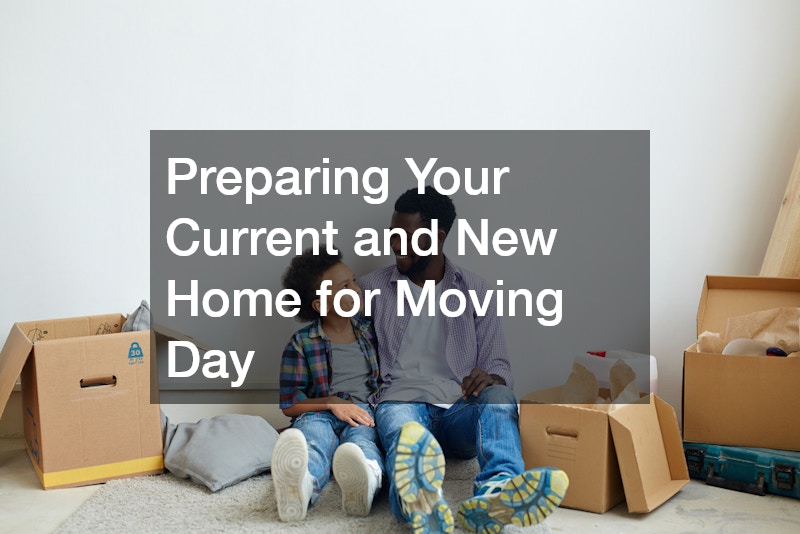
Preparing Your Current and New Home for Moving Day
Preparing to move successfully requires attention to both your current residence and your future home. Many first-time movers focus solely on packing, only to realize too late that preparation on both ends is equally important. Treating each location as its own project helps prevent oversights that can create unnecessary stress during an already busy transition.
At your current home, start by packing room by room and labeling boxes clearly. Keep essential items such as medications, important documents, and basic toiletries separate so they are always accessible. Preparing to move also means protecting floors, walls, and doorways from damage during furniture removal. Simple measures like using corner guards, furniture sliders, or floor coverings can prevent costly repairs and disputes later.
Before leaving, conduct a thorough cleaning. Some first-time movers hire restoration services to address minor damage, stains, or odors that could affect security deposits or resale value. Taking care of these details not only supports a smoother move-out process but also provides peace of mind knowing the space is left in good condition. Leaving your old home clean and orderly is both courteous and financially wise.
At your new home, ensure utilities are activated before arrival. Test lighting, plumbing, heating, and appliances to avoid surprises on moving day. If the property will host workers or movers for extended periods, arranging access to portable toilet rental companies may be practical, particularly for large moves or renovations, as it helps keep interior spaces clean and functional.
Preparing to move also includes planning how items will enter the new space. Measure doorways, stairwells, elevators, and hallways to ensure furniture fits without damage. Visualizing placement in advance saves time, reduces frustration, and minimizes unnecessary lifting or rearranging on moving day. When both homes are prepared thoughtfully and methodically, the transition feels smoother, more efficient, and far more controlled.
Managing the Logistics of Moving Day Itself
Moving day is the culmination of weeks of planning, and how it unfolds often depends on how well logistics were addressed beforehand. Preparing to move with a clear plan for the day itself helps everything run more smoothly and reduces last-minute stress. Creating a written checklist for the day can also help you stay focused as tasks overlap and distractions arise.
Start by confirming arrival times, addresses, and contact information with everyone involved. Whether you are working with movers or coordinating friends and family, clarity prevents confusion. Assign specific roles so everyone knows what to do upon arrival, including who directs unloading, who checks inventory, and who handles access points. Keep important documents, valuables, and essentials with you rather than in the moving truck. Preparing to move responsibly means minimizing risk for irreplaceable items. Have water, snacks, phone chargers, and basic supplies available to keep energy levels up and prevent unnecessary trips during the move.
Unexpected issues may still arise, such as traffic delays, elevator outages, or sudden weather changes. When you anticipate these possibilities, you are better prepared to adapt. Preparing to move includes maintaining a calm mindset, communicating clearly, and focusing on practical solutions rather than setbacks. Once items arrive at your new home, prioritize unloading essentials first. Beds, basic kitchen supplies, and toiletries should be accessible immediately. Taking a structured approach to unloading helps prevent chaos, reduces fatigue, and makes the first night in your new home more comfortable and organized.

Settling In and Adjusting After the Move
The moving process does not end once the last box is unloaded. Preparing to move also involves planning for the adjustment period that follows. First-time movers often underestimate how long it takes to feel settled in a new environment.
Begin by unpacking essential rooms first, such as the bedroom and kitchen. Establishing basic routines helps create a sense of normalcy. Preparing to move thoughtfully means allowing yourself time to adjust rather than expecting everything to feel perfect immediately. Take time to explore your new neighborhood, locate nearby services, and introduce yourself to neighbors if possible. Familiarity builds comfort and helps you feel connected. Updating addresses, registering vehicles, and transferring local services should be completed promptly.
Emotionally, adjusting may take time. It is normal to feel disoriented or nostalgic after a first move. Preparing to move with realistic expectations allows you to navigate these emotions without frustration. Celebrate small milestones, such as completing a room or hosting your first guest. Ultimately, your first move is a learning experience. Each step teaches valuable lessons that will make future moves easier. By approaching the process with patience, organization, and support, preparing to move becomes a meaningful transition rather than a stressful ordeal.