Owning a home comes with a learning curve that many first-time and even seasoned homeowners underestimate. Beyond mortgage payments and property taxes, there is an ongoing stream of decisions related to maintenance, repairs, and long-term planning. Unlike renting, where responsibility often ends with a call to a landlord, homeownership requires a working understanding of how different parts of the property function together. Mechanical systems, structural elements, and exterior features all age differently, and each requires attention to remain safe and reliable.
What makes this responsibility particularly challenging is that most problems develop quietly. A slight dip in performance, a cosmetic issue, or a small inconvenience can easily be written off as normal wear and tear. Over time, however, these minor issues tend to compound. Moisture spreads, materials weaken, and systems lose efficiency. What could have been a straightforward repair turns into a disruptive and costly emergency. Much of the stress homeowners experience comes not just from the expense, but from the urgency and uncertainty that arise once a problem has already escalated.
Keeping a home running smoothly ultimately requires a shift away from reactive problem-solving and toward informed oversight. Homeowners who monitor performance, respond to early warning signs, and invest in preventative care experience fewer emergencies and greater peace of mind. Planning major upgrades, such as scheduling an AC installation before a cooling system fails outright, allows homeowners to make decisions calmly and strategically rather than under pressure.
Keeping Core Home Systems Reliable Without Constant Emergencies
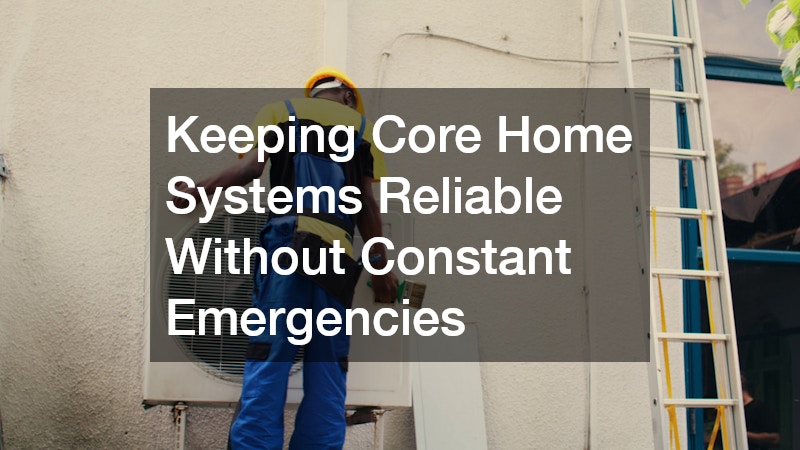
Keeping core home systems reliable requires attention to what’s happening behind walls, beneath floors, and underground, areas most homeowners rarely see or think about until a failure forces them to. Heating, cooling, and plumbing systems are designed to operate continuously and quietly, which can create a false sense of security. Because these systems don’t demand daily interaction, it’s easy to assume everything is fine as long as they’re still running. In reality, gradual wear and inefficiencies often begin long before a complete breakdown occurs.
The challenge is that system failures tend to cascade. A single malfunction can trigger secondary damage, such as water intrusion, electrical strain, or structural deterioration. What might have started as a minor mechanical issue can quickly escalate into a situation that disrupts daily life, displaces occupants, or requires extensive repairs. Emergency situations also limit options; homeowners are often forced to accept the first available service provider, pay premium rates, and make rushed decisions under pressure.
When aging systems start costing more than they should
A system doesn’t need to break down completely to be a problem. Subtle signs often indicate declining performance, such as:
- Rising utility bills without changes in usage
- Uneven temperatures throughout the home
- Frequent repairs that only provide temporary relief
- Unusual noises, odors, or cycling patterns
These symptoms usually mean components are wearing out or operating inefficiently.
Planning upgrades instead of reacting to failures
Planning upgrades ahead of time gives homeowners a level of control that simply doesn’t exist during an emergency. When a major system fails unexpectedly, decisions are often made under pressure, with limited options and little opportunity to compare solutions. Costs tend to be higher, timelines are rushed, and compromises are more likely. By contrast, anticipating replacement needs allows homeowners to act thoughtfully and on their own schedule.
When planning an upgrade, homeowners should focus on:
- Proper sizing based on the home’s layout and insulation
- Energy efficiency ratings and long-term operating costs
- Compatibility with existing ductwork or electrical systems
- Warranty coverage and service support
A well-planned installation improves comfort while reducing energy waste for years to come.
Protecting what’s buried beneath your home
Some of the most expensive home repairs involve infrastructure you can’t see. Pipes that run beneath the house or yard are vulnerable to age, shifting soil, and tree roots. Ignoring early warning signs can lead to backups, water damage, or even foundation issues.
Professional sewer line services help homeowners detect problems early through inspections and diagnostics. These services are especially important if you notice:
- Multiple drains are backing up at once
- Gurgling sounds from toilets or sinks
- Persistent sewage odors indoors or outdoors
- Patches of unusually green or soggy grass
Modern repair techniques often allow targeted fixes without extensive excavation, saving both time and landscaping costs.
Building a system-first maintenance mindset
Instead of reacting to emergencies, homeowners benefit from annual system checkups. Keeping records of inspections, repairs, and upgrades makes it easier to budget and plan ahead. Over time, this approach turns homeownership from a series of crises into a manageable routine.
Preventing Water Damage and Costly Plumbing Disruptions
Water is one of the most destructive forces in a home when it’s not properly controlled. From clogged pipes to improperly balanced pools, water-related issues can damage surfaces, equipment, and even indoor air quality. The key is consistent monitoring and early intervention.
Many plumbing problems begin as minor inconveniences that are easy to dismiss. Unfortunately, those small issues often signal deeper problems within the system.
Why minor plumbing issues deserve attention
A slow drain or recurring clog might seem harmless, but it can indicate buildup, corrosion, or improper slope in the pipes. Over time, pressure increases, seals weaken, and leaks develop. Addressing these issues early reduces the risk of sudden failures.
Common warning signs include:
- Water drains slowly in sinks or tubs
- Frequent need to flush toilets
- Unpleasant odors from drains
- Water stains near plumbing fixtures
Ignoring these signs often leads to more invasive and expensive repairs.
Maintaining flow throughout the home
Professional drain clearing removes buildup safely and thoroughly, unlike store-bought chemical cleaners that can damage pipes. Routine service is especially valuable in older homes or households with heavy water usage.
Benefits of proactive drain maintenance include:
- Reduced risk of emergency backups
- Improved pipe lifespan
- Better water flow and pressure
- Fewer unexpected repair costs
Professionals use tools designed to clear blockages without harming the plumbing system.
Pool care that protects surfaces and equipment
For homeowners with pools, water quality management is just as important as indoor plumbing. Improper chemical balance doesn’t just affect comfort; it can damage liners, pumps, and filters while creating health risks.
Monitoring pool maintenance ph levels is essential for preventing corrosion, scaling, and algae growth. Professional pool services test water accurately and adjust chemicals based on temperature, usage, and weather conditions.
Consistent care helps homeowners:
- Extend the life of pool equipment
- Reduce chemical waste
- Prevent skin and eye irritation
- Maintain clear, inviting water
Creating a water protection routine
Water-related maintenance should be scheduled, not reactive. Annual plumbing inspections, seasonal pool servicing, and prompt attention to minor issues all work together to protect your home from costly water damage.
Maintaining the Exterior Envelope That Protects Your Home
Your home’s exterior functions as a continuous protective shell, designed to keep water, air, and heat where they belong. Every surface, whether it’s above, around, or attached to the structure, plays a role in preventing environmental exposure from compromising what’s inside. When even one part of this envelope weakens, moisture and air can begin to penetrate areas that were never meant to be exposed, leading to gradual but serious deterioration.
Exterior upkeep also plays a critical role in how efficiently your home operates. A compromised outer shell allows conditioned air to escape and outside air to enter, forcing heating and cooling systems to work harder to maintain comfortable indoor temperatures. This inefficiency shows up in higher utility bills and increased wear on mechanical systems. Maintaining tight seals and intact surfaces helps stabilize indoor conditions and reduces unnecessary energy loss.
How exterior wear turns into interior damage
Small exterior issues often go unnoticed until they cause visible problems indoors. A minor roof issue can lead to insulation damage, mold growth, or ceiling stains. Faded or peeling surfaces can allow moisture to penetrate walls, leading to rot.
Routine exterior inspections help catch these problems early, before repairs become extensive.
Staying ahead of roof deterioration
Roofs age gradually, and damage isn’t always obvious from the ground. Professional roofing services include inspections that identify weak points, worn materials, and storm damage that homeowners might miss.
Homeowners should consider inspections when:
- The roof is approaching the end of its expected lifespan
- Severe weather has passed through the area
- Energy bills increase without explanation
- Shingles appear cracked, curled, or missing
Early repairs often cost far less than full replacement and help preserve interior spaces.
Preserving surfaces with protective coatings
Paint does more than improve curb appeal; it seals and protects surfaces from moisture and UV damage. Choosing the right exterior paint system for your climate and siding material is critical for long-term performance.
Professional painters evaluate:
- Surface preparation needs
- Moisture exposure levels
- Temperature and seasonal timing
- Finish durability and maintenance requirements
A properly applied coating can last years longer than a rushed or poorly planned project.
Coordinating exterior care for long-term savings
Bundling inspections and maintenance tasks reduces repeated labor costs and ensures all exterior components work together. A coordinated plan helps homeowners avoid piecemeal repairs and maintain consistent protection.
Managing Outdoor Spaces Without the Physical Burden
Outdoor areas contribute heavily to a home’s appearance and usability, but they can also create safety risks when neglected. Trees, roots, and uneven ground can damage structures or cause injuries if not properly managed.
Many outdoor tasks are physically demanding or dangerous, making professional help a smart investment.
The risks hidden in overgrown landscapes
Unchecked growth doesn’t just affect appearance. Overhanging limbs can scrape roofs, clog gutters, or fall during storms. Roots can disrupt sidewalks, driveways, and underground utilities.
Outdoor hazards often develop slowly, making them easy to overlook until damage occurs.
Maintaining healthy, safe trees
A professional tree trimming service evaluates tree health, growth patterns, and structural stability. Proper trimming improves airflow, reduces storm damage risk, and prevents interference with buildings or power lines.
Key benefits of professional care include:
- Reduced risk of falling limbs
- Improved tree longevity
- Enhanced curb appeal
- Early detection of disease or decay
Attempting to trim large trees without proper equipment can be dangerous and ineffective.
Removing obstacles that limit yard use
Leftover stumps may seem harmless, but they pose tripping hazards and attract pests. Over time, they also interfere with landscaping and drainage.
Stump grinding removes these obstacles below ground level, allowing homeowners to reclaim usable space without the disruption of full root removal. This process improves safety and opens up options for planting or hardscaping.
Designing outdoor areas for lower maintenance
Strategic landscaping choices reduce ongoing workload. Removing problem trees, leveling surfaces, and planning growth patterns help homeowners enjoy their outdoor spaces without constant intervention.
Restoring and Cleaning Exterior Surfaces Efficiently

Dirt, debris, and clutter accumulate faster than most homeowners expect. Without regular cleaning and removal, exterior surfaces deteriorate, and storage areas become unusable. Professional services streamline these tasks and restore order.
Exterior cleaning and decluttering are often delayed because they feel overwhelming, but tackling them proactively makes a noticeable difference.
How buildup affect the property condition
Organic growth, pollution, and debris trap moisture against surfaces, accelerating wear. Driveways, siding, and decks all suffer when grime is left untreated.
Regular cleaning preserves materials and prevents the need for premature replacement.
Deep cleaning without surface damage
A professional pressure washing company understands how to adjust pressure and detergents for different materials. This prevents damage while effectively removing buildup from:
- Concrete and masonry
- Siding and fencing
- Decks and patios
- Driveways and walkways
DIY equipment often lacks the precision needed for safe, consistent results.
Clearing space without the stress
Decluttering projects frequently stall because homeowners don’t know where to start or how to dispose of large items. Professional junk removal services handle heavy lifting, disposal logistics, and responsible recycling.
This service is especially helpful during:
- Renovations or remodeling
- Garage or attic cleanouts
- Property transitions or downsizing
- Seasonal purges of accumulated items
Clearing clutter improves safety, accessibility, and mental well-being.
Making cleanliness part of routine maintenance
Scheduling annual cleanings and removals keeps buildup from becoming overwhelming. A consistent plan helps homeowners maintain their property without last-minute scrambles.
Simplifying homeownership requires a shift in mindset-from reacting to problems as they arise to intentionally planning for them before they become disruptive. Many homeowners feel pressure to handle repairs and maintenance on their own, often to save money or maintain control. In reality, trying to manage everything without professional support can lead to missed warning signs, delayed fixes, and higher long-term costs. Knowing when to step back and bring in experienced help is one of the most effective ways to protect both your home and your peace of mind.